S E O G R E Y . . . .
Indian Textiles Go Global: India-EU FTA Opportunities & Compliance Guide
Muthulakshmi
0 comments February 3, 2026

Indian Textiles Go Global: India-EU FTA Opportunities & Compliance Guide by SEOgrey

Introduction: A New Chapter for Indian Textiles

The much-awaited India-EU FTA has finally been inked, and this is one of the most significant trade agreements in the economic history of India. This agreement affects almost all traded commodities and seeks to eliminate or substantially reduce tariffs, improve market linkages, and advance economic cooperation.

This is a revolutionary time for Indian textile exporters, as the EU has an enormous market demand for garments, textiles, and home textiles. This gives Indian manufacturers unparalleled access to one of the world’s wealthiest consumer markets, as long as they adjust, comply, and align. This in-depth guide by SEOgrey will take you through all of that.

What the India-EU FTA Means for Textiles

Zero Tariffs on Textiles and Apparel

As per the deal, the majority of the tariffs imposed on Indian textile exports entering the EU will be slashed to zero or near-zero levels, marking a huge change from the previous tariffs that were as high as 10-12% at times.

This will put Indian textile exporters on an equal footing with other countries such as Bangladesh, Vietnam, and Turkey, which had already secured zero-duty access through their own trade agreements.

Enormous Market Potential

With the import market in the EU for textiles and clothing estimated at USD 263 billion, the potential for growth for Indian exports, currently estimated at USD 7-8 billion, is enormous.

It is expected that this sector will grow in leaps and bounds, with export figures potentially touching $30-40 billion.

Indian Textiles Go Global: India-EU FTA

Sectoral Opportunities for Indian Textile Businesses

Boosting Competitiveness

Since the tariffs will be reduced on almost all types of textiles, such as ready-made garments, cotton fabrics, man-made fibers, home textiles, and so on, Indian exporters

will be able to provide more competitive pricing to European customers.

MSMEs and Employment

The textile industry in India directly employs millions of people and has thousands of MSME clusters in Tiruppur, Surat, Panipat, Bengaluru, Jaipur, and other places. Growth through FTA can help.

Supply Chain Integration

European brands and importers are now more likely to include Indian textiles in their global supply chains, as they will be able to meet the standards of quality, sustainability, and traceability.

Compliance Essentials for Textile Export Success

While tariff advantages are huge, non-tariff compliance is equally critical to actually benefit from the FTA:

Rules of Origin (RoO)

In order to qualify for duty-free access, the products have to meet the EU rules of origin, which will ensure that the products are substantially manufactured or processed in India.

EU Regulatory Standards

European buyers and customs enforce stringent regulations:

  1. Textile Labelling & Composition Standards (REACH for restricted chemicals)

  2. Sustainability and Environmental Compliance

  3. Social & Labor Compliance (e.g., worker safety and ethical production)

Failing compliance can result in delays, fines, or loss of FTA benefits.

Sustainability & Traceability

The EU market increasingly demands sustainability credentials:

  1. Transparency in supply chains

  2. Environmental impact reporting

  3. Low-carbon or recycled content credentials

Brands that align early with these practices will win preferential sourcing and long-term contracts.

Strategic Steps for Textile Businesses to Maximise FTA Gains

Here’s how Indian textile exporters can prepare:

✔ Strengthen Documentation

Accurate certificates of origin, customs forms, and compliance records go a long way toward smooth EU entry.

✔ Modern Quality & Compliance Protocols

Invest in compliance training, quality labs, and traceability systems to match EU standards.

✔ Target High-Value Segments

Focus not only on volume but premium segments—technical textiles, specialised apparel, and artisanal textiles that can command higher value.

✔ Build Strong EU Partnerships

Collaborate with European distributors, agents, and fashion houses to bridge market entry risk.

Why SEOgrey Is Your Ideal Launching Supporter

At SEOgrey, we specialise in helping Indian textile brands unlock international growth through:

• Export-Ready Digital Visibility

We craft high-impact SEO strategies that position your brand in front of global buyers searching for Indian textile partners.

• Compliance-Aligned Content

Our team helps you communicate adherence to EU standards—boosting credibility with importers and marketplaces.

• Market Entry Strategy

From keyword research to content creation, we help you attract European buyers with tailored digital marketing plans.

• Competitive Analysis

We benchmark your brand against key rivals in the EU, helping you refine offerings and stand out.

SEOgrey isn’t just a marketing partner—we’re your growth enabler into the EU textile market.
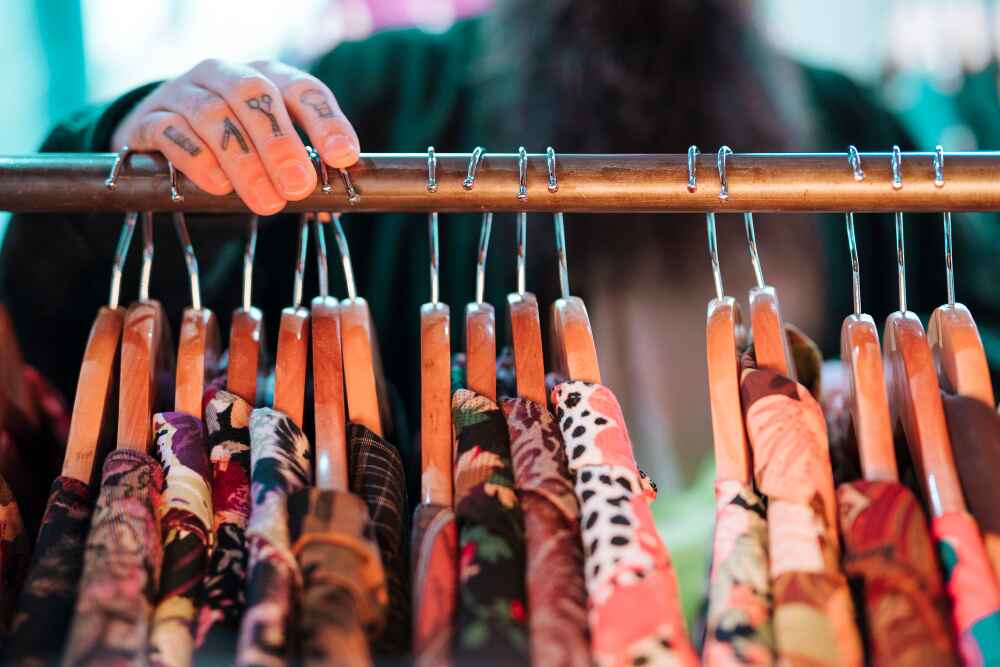
Indian Textiles Go Global: India-EU FTA

Conclusion: Move Beyond Borders

The Free Trade Agreement between India and the EU is more than just a trade news story—it’s a revolutionary chance for Indian textiles to enter the global market. With zero tariffs, massive demand, and changing consumer behavior, the time is ripe for explosive expansion.

However, the key to success is not guaranteed. Indian textile exporters need to adopt a mindset of compliance, quality, sustainability, and strategic online positioning to reap maximum benefits.

And that’s where SEOgrey comes in—to help your brand from being a local leader to a global leader.

Muthulakshmi

previous post next post

Leave a comment

Your email address will not be published. Required fields are marked *