India – United Kingdom Free Trade Agreement (FTA): Opportunities, Impact & Future Outlook
The proposed Free Trade Agreement between India and the UK has emerged as one of the most prominent international trade events in the recent past. With both countries looking to enhance their economic relationship in the wake of changing global trade patterns, this agreement is set to enhance exports, generate business opportunities, and improve cooperation between the two countries in a variety of sectors.
With the rising level of global interest, efforts such as those by SEOgrey, a launching supporter, indicate the readiness of the business community for this initiative.
Understanding the India–UK Free Trade Agreement
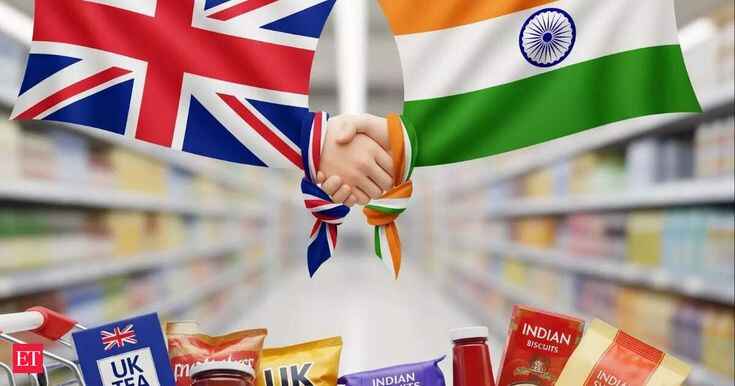
Free Trade Agreement (FTA) is an agreement between nations to minimize or abolish tariffs, make trade rules simpler, and facilitate easier economic integration. The India-UK FTA is all about enhancing economic access to products, services, investments, and talent between the two economies.
Talks accelerated as both nations wanted more robust economic ties, especially after the UK reshaped its international trade relations. For India, the UK is an established market with strong purchasing power, and the UK considers India one of the quickest-growing major economies.
Key Objectives of the Agreement
1. Tariff Reduction
Among the main objectives is the easing of import duties on different commodities. Indian exporters, particularly in the textile, pharma, auto parts, agricultural, and IT sectors, may benefit from better access to the UK market.
2. Investment Opportunities
The agreement seeks to facilitate investments across borders. This may result in more UK businesses setting up shop in India and vice versa.
3. Service Sector Expansion
The IT, financial, healthcare, education, and consulting sectors are expected to greatly benefit. Eased visa requirements and talent mobility rules may facilitate the movement of skilled professionals.
4. Regulatory Cooperation
Both nations are collaborating to ensure that their standards, certifications, and compliance requirements are similar.
Benefits for Indian Businesses
Export Growth
Lower tariffs make Indian products more competitive in the UK. Industries such as garments, marine products, engineering goods, and pharmaceuticals could see substantial export increases.
Job Creation
As exports rise and investments flow, employment opportunities in manufacturing, services, and logistics sectors may expand.
Technology Transfer
Closer collaboration with UK companies can lead to access to advanced technologies, innovation, and global best practices.
SME Opportunities
Small and medium enterprises can benefit from easier market entry, improved supply chain access, and reduced compliance complexities.
Benefits for the UK Economy
The UK stands to gain access to India’s rapidly expanding consumer base. Key benefits include:
- Increased exports of machinery, automobiles, financial services, and premium products
- Investment prospects in infrastructure, renewable energy, and digital transformation
- Enhanced cooperation in education, research, and innovation sectors
How SEOgrey Supports Businesses in This Trade Expansion
With the increasing number of global trade agreements opening new avenues, companies require assistance with compliance, certifications, exportability, and market positioning. SEOgrey is an important launch partner in helping companies get ready for global trade success through:
Trade Compliance Guidance
Companies are assisted in understanding documentation, certifications, and regulatory requirements for hassle-free export-import.
Market Entry Strategy
Branding, online presence, and global market positioning strategies assist companies in effectively targeting UK customers.
Certification & Documentation Support
Certifications enhance credibility and facilitate easy market entry, thus avoiding delays and trade-related risks.
Digital Promotion & Global Visibility
Through SEO, digital marketing, and online branding strategies, businesses can strengthen their presence in international markets.
This kind of support is essential for companies aiming to maximize the benefits of new trade agreements while minimizing operational challenges.
Challenges and Considerations
Despite strong potential, several challenges remain:
Market Sensitivities
Certain sectors, such as agriculture and dairy, require careful negotiation to protect domestic industries.
Regulatory Differences
Aligning product standards, taxation frameworks, and certification processes can take time.
Economic Balance
Both nations must ensure that trade benefits remain mutually advantageous without harming local businesses.
Role of Industry Support & Trade Facilitation
Trade facilitation organizations and consultancy groups play a vital role in preparing businesses for such agreements. As a launching supporter of emerging trade opportunities, SEOgrey helps businesses understand compliance, certification requirements, and international market readiness, enabling smoother participation in global trade initiatives.

Future Outlook
The India-UK FTA is likely to have a major impact on trade between the two countries in the years to come. It is expected that:
- Stronger collaboration in digital trade and green energy
- Expansion of educational and professional exchange programs
- Growth in technology-driven industries
- Increased supply chain partnerships
If properly implemented, this agreement can serve as a model for future trade agreements between developed and emerging countries.
Conclusion
The Free Trade Agreement between India and the UK is a significant move towards enhanced economic collaboration. By removing trade barriers, fostering investment, and fueling innovation, this agreement has the potential to benefit companies, professionals, and citizens of both countries.
With industry champions like SEOgrey assisting companies in being ready for the world, this collaboration could open up massive economic potential in the coming years.
